Repurposed hardware should solve a real access problem
Many working computers, laptops and servers leave offices long before every useful part has reached the end of its life. At the same time, schools, nonprofits, job-search programs, students and low-income families often need practical technology but cannot justify new equipment. Silicon Rescue connects those two realities without turning contributor equipment into a resale channel.
The security rule comes first. Hard drives, SSDs and removable storage media from contributors are separated and physically destroyed. Those storage devices are not reused, resold or redeployed. When a repurposed system needs storage, it receives a new sealed drive with no prior data. That keeps the contributor promise clear and makes the receiving organization more comfortable using the system.
Who can benefit
Repurposed hardware may support administration, training, classroom work, outreach, job-search assistance, church or charity operations, student homework, basic design work, remote meetings and other everyday tasks. Local groups can benefit, and international nonprofits or academies may also qualify when logistics and availability make sense.
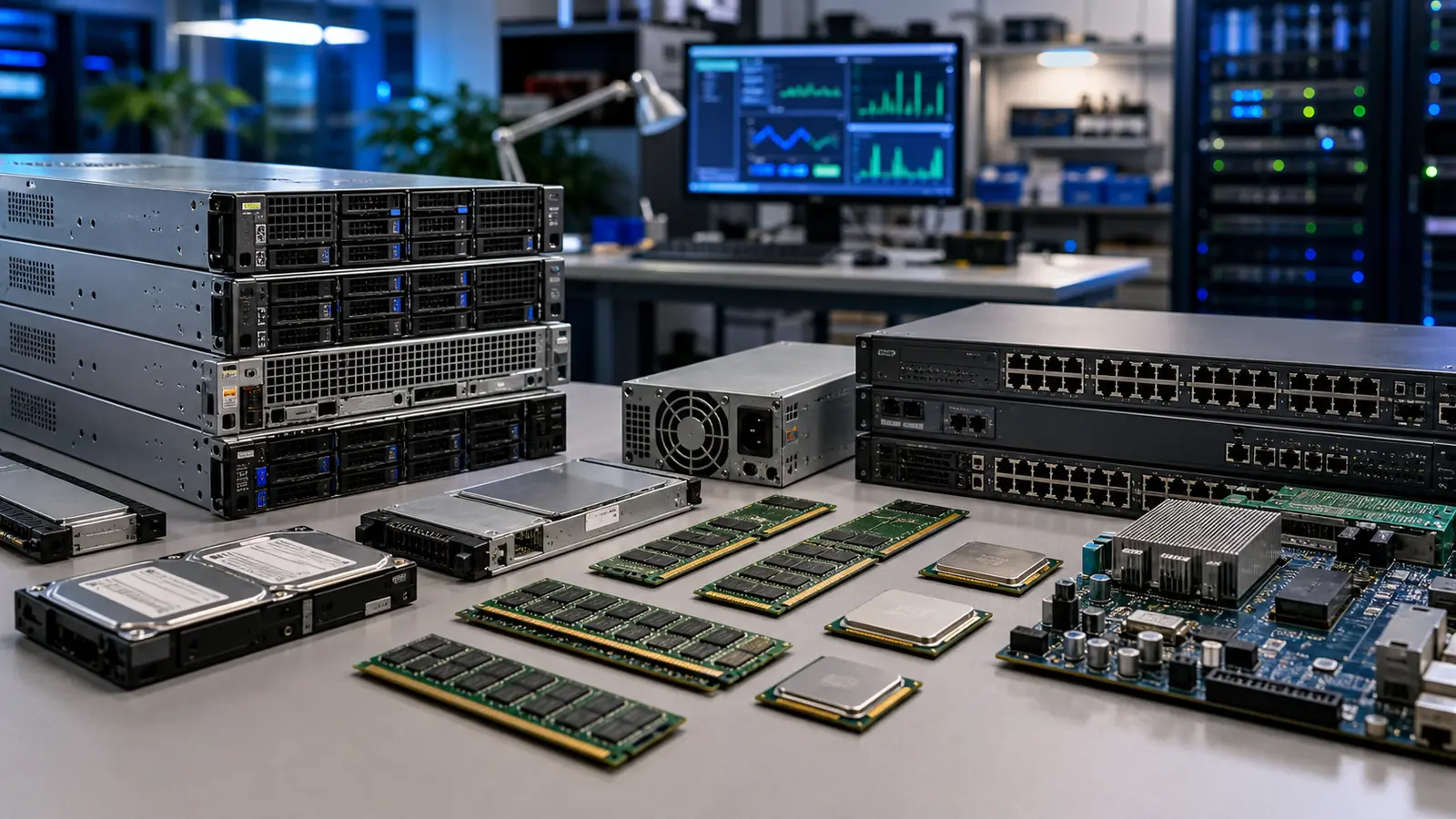
The best fit is usually equipment that is still reliable enough for normal productivity: desktops, laptops, workstations, monitors, peripherals, networking devices and servers that can be cleaned, tested and prepared responsibly. Equipment that cannot be safely reused is routed toward responsible recycling instead of being forced into service.
What to send in a request
A useful request includes the organization type, location, intended use, approximate number of users, software requirements and any timing constraints. Silicon Rescue can then compare the request against available refurbished equipment and explain what may be practical.
Because inventory depends on contributed hardware, availability is not guaranteed. The goal is to place the right hardware where it can help, not to overpromise a catalog. When equipment is available, the process is designed to preserve data security, reduce waste and turn stored technology into useful tools for people who need access.